
Innovation Strategy
At Amotus, our innovation strategy is rooted in a deep understanding of emerging technologies and a commitment to solving complex business challenges.
This strategy drives us to constantly refine our processes, develop cutting-edge solutions, and adopt a proactive approach to technology trends, enabling our clients to thrive in a rapidly changing digital landscape.
By embedding innovation in our strategy, we empower businesses to navigate disruption confidently and transform challenges into opportunities for growth.
Why Innovation Matters for Staying Competitive?
- Market Differentiation
Innovative products and services set businesses apart, helping them capture new markets and differentiate themselves from competitors. - Operational Efficiency
Adopting innovative processes streamlines operations, reducing costs and increasing productivity. - Resilience and Agility
Innovation enables rapid adaptation to market shifts and disruptions, ensuring businesses remain resilient in challenging times. - Customer Satisfaction
By continuously improving and anticipating customer needs, businesses can build loyalty and retain a competitive edge.
The Key Pillars of Our Innovation Strategy
Client-Centric Development
- We place our clients' needs at the forefront of our innovation efforts, building solutions that are tailored to unique business objectives and challenges.
- Close collaboration ensures that the solutions we deliver are not just innovative, but practical and aligned with business goals.
Agile and Adaptive Approach
- Adopting agile methodologies allows us to swiftly adapt to changing market dynamics and customer needs, ensuring our solutions stay relevant.
- Continuous feedback loops help refine our products and services to meet evolving demands.
Ecosystem Integration
- Our strategy involves seamless integration with existing systems and platforms, creating a holistic ecosystem that maximizes efficiency.
- We emphasize interoperability and scalability, enabling businesses to easily expand their digital capabilities.
Security and Compliance
- We prioritize data security and compliance at every stage of development, ensuring robust protection for sensitive information.
- Our adherence to global standards helps clients stay ahead of regulatory requirements and mitigate risks.
Continuous Learning and Research
- Our team regularly researches emerging technologies, refining our expertise to anticipate and leverage future trends.
- We invest in training and knowledge-sharing to equip our team with the skills needed to innovate effectively.
Implementation Process: From Research to Launch
Our approach to innovation merges a disciplined framework for generating ideas with a strong execution strategy. By integrating strategic planning, agile methodologies, and a focus on customer needs, we efficiently transform innovative ideas into reality. Our cross-functional teams work together to turn imaginative concepts into scalable solutions that tackle real-world problems.
This comprehensive process guarantees that every phase, from initial research to product launch, is optimized to create significant value for our clients.
Here are the six key steps to a successful innovation implementation:
1. Idea Generation and Research
- Creative Brainstorming: Encourage creativity through brainstorming sessions that promote out-of-the-box thinking and uncover new opportunities.
- Market Analysis: Conduct thorough market research to identify emerging trends, customer needs, and industry gaps, providing a strong foundation for impactful ideas.
- Feasibility Study: Assess the technical and economic feasibility of each concept to select the most viable ideas for development.
2. Solution Design and Planning
- Cross-Team Collaboration: Bring together cross-functional teams to refine concepts into comprehensive design plans.
- Agile Planning: Use agile methodologies to create a flexible development roadmap, allowing iterative progress and quick pivots.
- Resource Allocation: Identify and allocate the resources, tools, and skill sets required for successful implementation.
3. Prototyping and Development
- Minimum Viable Product (MVP): Develop an MVP that captures core functionality, providing a foundation for iterative improvement.
- Collaborative Development: Foster collaboration among developers, designers, and stakeholders to align the final product with strategic goals and customer expectations.
- Continuous Testing: Integrate automated testing and quality assurance (QA) practices to detect and resolve issues early.
4. User Testing and Refinement
- Customer Feedback: Involve select customers in user acceptance testing (UAT) to refine usability, features, and performance.
- Iterative Improvements: Incorporate customer feedback to address issues and enhance functionality.
5. Pilot Launch and Optimization
- Controlled Rollout: Execute a pilot launch to a subset of users or market segments, enabling performance monitoring and insights.
- Performance Analysis: Analyze key performance indicators (KPIs) and customer feedback to identify areas for improvement.
6. Final Launch and Continuous Improvement
- Market Rollout: Implement a strategic launch plan that ensures proper market coverage, user support, and promotional activities.
- Post-Launch Support: Provide post-launch support to address issues and ensure seamless adoption.
- Continuous Feedback Loop: Establish ongoing feedback mechanisms to optimize the product and align it with evolving customer needs.

Our Approach
Our Project Management Practices
Our Digital Transformation Practices
Success Stories and Real-World Applications
We showcase successful IoT implementations across various industries. Discover our case studies to learn more about our expertise in delivering inspirational innovation strategy: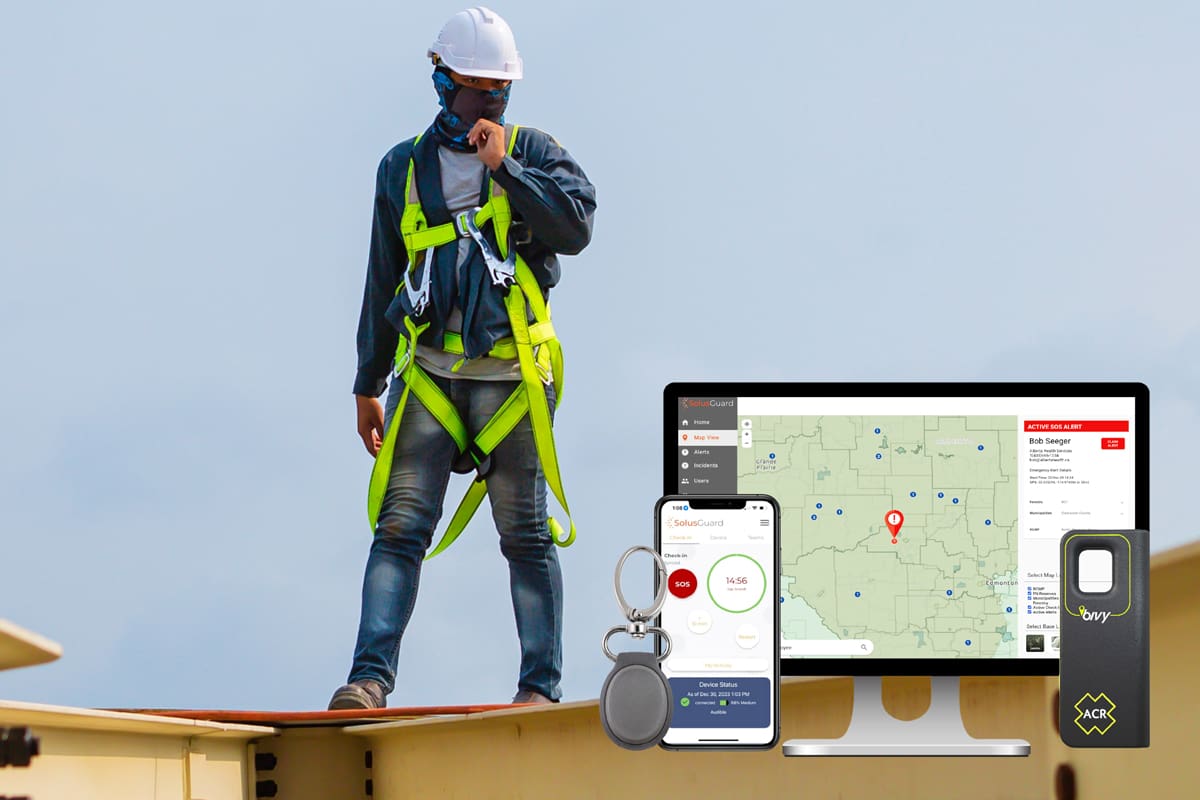
Maximizing Battery Performance in Wearable Panic Buttons with Bluetooth Low Energy Technology
Development of a power-efficient, Bluetooth Low Energy (BLE)-based wearable panic button, designed to extend battery life

How a Power-Efficient Design Extended a Parking Occupancy Sensor's Battery Life to 5 Years
The creation of a highly efficient sensor with extended battery life, using low-power communication protocols and cloud-based data processing

Smart Energy Management System for Temporary Power Distribution
The creation of a smart energy management solution tailored for temporary power setups, including real-time energy monitoring and remote-control capabilities
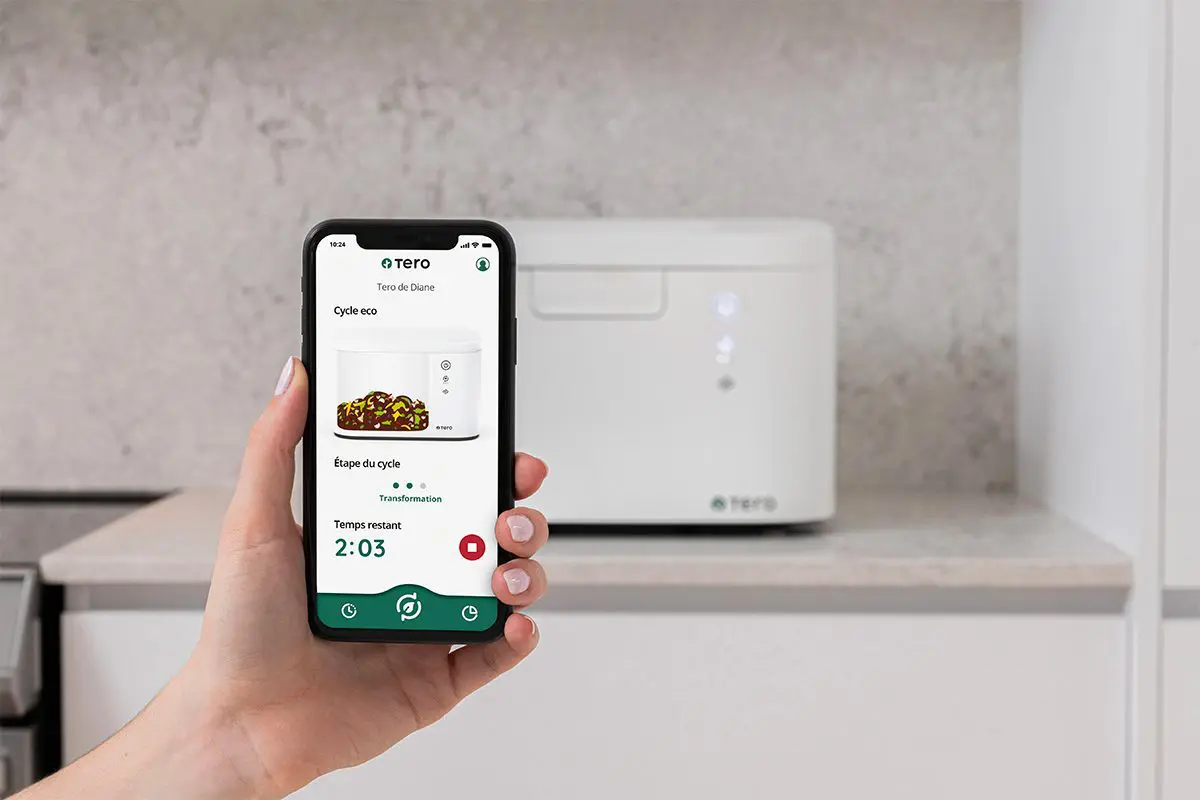
Building a Remote-Controlled IoT Device: ESP32 Wi-Fi, OTA & Mobile App
The case for creating a smart connected IoT product with remote control and monitoring capabilities with a mobile application

NDT Instruments: SoM Electronics, Yocto Embedded Linux & OTA Updates
Several major industrial instrument OEMs required our expertise to design all or portions of their NDT (Non-Destructive Testing) equipment.

EV Charging Station: Custom Embedded Linux OS with Fail-Safe OTA Updates
We helped an EV charge point operator develop a custom Linux OS for a smart charging station, using EVSE protocol.