
Digital Transformation
The Internet of Things (IoT) is revolutionizing traditional processes, enhancing operational efficiency, and delivering unparalleled value to businesses and consumers alike. This digital transformation leverages cutting-edge technologies to reimagine our interconnected world.
The power of IoT is reshaping various sectors by enhancing efficiency, enabling predictive maintenance, and offering real-time insights. Notable impacts are seen in smart manufacturing, smart cities, agriculture, energy, and beyond, showcasing the vast potential of IoT to revolutionize industry practices.
Driving Innovation with IoT
Our expertise unlocks the full potential of IoT for your business, fostering innovation, enhancing customer experiences, and developing new business models.
Informed Decisions / Optimized Operations
Comprehensive IoT Services: From Strategy to Implementation
Our unique blend of strategic planning and operational excellence, supported by technological advancements, offers a holistic approach to digital transformation through IoT. We provide a comprehensive approach that covers every aspect of integrating IoT into your business, ensuring a seamless transition and maximized value from your investment.
Let’s dive into our 11-stage strategy for IoT-driven digital transformation!
1. Assessment and Readiness
- The first step in IoT digital transformation consulting is to assess the organization's current IoT capabilities, processes, and infrastructure, identifying strengths and weaknesses.
- Next, we align the IoT transformation goals with the company's broader business strategy by collaborating with leadership. This ensures that IoT initiatives fit seamlessly into the company's objectives, which is crucial for the success of IoT projects and the organization's growth and adaptability to technological changes.
2. Change Management Planning
- Change management planning is crucial in IoT digital transformation, starting with a cultural and organizational assessment to gauge readiness and identify potential challenges. These assessments ensure a smooth transformation process.
- We then develop a detailed change management plan, including communication and training strategies, to address challenges and promote stakeholder buy-in.
- Effective change management ensures the organization adopts and embraces new IoT technologies, enhancing engagement and cooperation. This approach mitigates risks and maximizes the benefits of IoT integration, leading to successful and sustainable outcomes.
3. Strategy Development
- In the strategy development stage, we create a comprehensive IoT strategy and roadmap with specific timelines and milestones. This plan illustrates how IoT will revolutionize processes, boost efficiency, and deliver value, ensuring alignment with organizational objectives.
- Selecting the right technology stack is crucial, involving the best IoT technologies and tools to fit the organization's needs. By choosing the right mix of hardware, software, and platforms, we lay the foundation for a successful and scalable IoT implementation, driving growth and innovation.
4. Technology Implementation
- The technology implementation stage turns plans into reality by integrating new IoT technologies into the existing infrastructure. This phase ensures that IoT solutions enhance processes without disruption.
- A key task is migrating data from legacy systems to IoT platforms, maintaining data integrity and operational continuity.
- Proper implementation is crucial for harnessing IoT's full potential, enabling enhanced data connectivity and real-time insights. By meticulously integrating new systems with existing ones, the organization achieves the improved efficiency and innovation promised by IoT.
5. Pilot Programs and Testing
- The pilot programs and testing stage is crucial in IoT digital transformation, bridging theoretical plans and full-scale implementation.
- It starts with smaller pilot projects deploying new IoT technologies in controlled parts of the organization or with selected partners. These pilots gather insights, identify issues, and allow adjustments before broader rollout, minimizing risk and optimizing strategy.
- Rigorous quality assurance ensures IoT solutions operate as intended and are defect-free. This thorough testing validates the functionality and effectiveness of the IoT systems, ensuring they meet high standards for successful integration and operation.
6. Deployment and Scaling
- After successful pilot testing, the focus shifts to deployment and scaling. This phase involves implementing IoT solutions across the organization, training employees, configuring systems, and managing the transition to new technologies for smooth integration.
- The rollout is carefully managed to minimize disruptions and optimize IoT functionality.
- Scalability planning ensures the IoT solutions are effective now and can grow with the organization, allowing for future expansions and adaptations without major overhauls, supporting the ongoing evolution of the business.
7. Monitoring and Optimization
- The monitoring and optimization stage is vital for sustaining IoT transformation benefits. This phase involves setting up systems to continuously monitor IoT performance using Key Performance Indicators. These KPIs track the effectiveness of the IoT systems and ensure they deliver expected benefits. Regular monitoring provides data for informed decisions about optimizations and adjustments.
- Continuous improvement is key, with regular assessments and refinements to keep IoT solutions aligned with evolving business goals and technological advancements.
- Actively managing and optimizing the IoT infrastructure ensures peak efficiency and adaptability, maximizing the return on investment in IoT technologies.
8. Data Utilization and Analytics
- The data utilization and analytics stage is crucial for extracting value from IoT-generated data. This phase involves creating a data strategy to collect, store, and leverage data for informed decision-making. Effective data management turns raw data into actionable insights that drive improvements and innovations.
- Implementing advanced analytics tools and processes is also key. These tools analyze IoT data to uncover patterns, predict trends, and optimize operations. By using data and analytics effectively, the organization enhances operational efficiencies, improves customer experiences, and creates new business opportunities. This ensures that data-driven decisions align with strategic objectives, maximizing the value of IoT technologies.
9. Cybersecurity and Compliance
- In IoT, the cybersecurity and compliance stage is crucial due to device interconnectivity and data sensitivity. This phase focuses on implementing robust security measures to protect IoT ecosystems from threats and breaches. Essential protocols include end-to-end encryption, secure authentication, and regular vulnerability assessments to safeguard digital assets and maintain data privacy.
- Compliance management is also vital, ensuring adherence to data protection laws and regulations. Beyond legal mandates, compliance builds trust with customers and partners by demonstrating a commitment to data security and ethical practices. Prioritizing cybersecurity and compliance mitigate risks, protects stakeholder interests, and ensures the success and longevity of IoT initiatives.
10. Feedback and Iteration
- The feedback and iteration stage is key to keeping IoT digital transformation aligned with user needs and organizational goals. This phase involves collecting and analyzing feedback from employees, customers, and partners to assess how well IoT solutions meet expectations and identify areas for improvement.
- Based on this feedback, the organization continuously refines and enhances IoT solutions through iterative development cycles. This agile approach allows for quick responses to challenges and opportunities, ensuring the IoT infrastructure meets current demands and remains flexible and scalable for future needs.
- Embracing a culture of feedback and continuous improvement helps the organization sustain its competitive edge and maximize the effectiveness of its IoT investments.
11. Sustainability and Long-term Planning
- Sustainability and long-term planning ensure that IoT digital transformation is both successful now and beneficial in the future. This stage embeds sustainable practices within IoT strategies to minimize environmental impact and ensure ethical technology use. It involves selecting energy-efficient technologies, designing resource-conserving systems, and complying with environmental standards.
- Additionally, this stage plans for the long-term scalability and adaptability of IoT solutions to stay current with evolving technology and business needs. Strategic foresight keeps the transformation relevant and valuable as the organization grows and market conditions change.
- By committing to sustainability and forward-thinking planning, the organization can lead in responsible IoT innovation, attracting customers and partners who value ethical and sustainable practices.
Sustainable and Ethical IoT Practices
As we implement IoT solutions, we remain committed to sustainable practices that minimize environmental impact and promote ethical data use. We prioritize energy-efficient technologies and adhere to strict data governance policies to protect user privacy and ensure compliance with global standards.
This commitment extends to fostering transparency and trust with all stakeholders, ensuring that the benefits of IoT are realized responsibly and sustainably.
Data Integrity and Privacy
In an era where data breaches are all too common, safeguarding the privacy and integrity of data is paramount.
- We implement robust security measures that comply with international standards, including end-to-end encryption and regular security audits.
- Our commitment to data protection is about respecting user privacy and building trust with our clients, ensuring that their data and that of their customers is handled with the utmost care.
Ethical AI and Automation
As IoT often involves elements of Artificial Intelligence and automation, we maintain a strict ethical framework to guide the development and deployment of these technologies.
Strict Ethical Framework: What's That?
Community and Stakeholder Engagement
We engage with communities and stakeholders to ensure our IoT solutions meet their needs without compromising their way of life.
- Open dialogues with community leaders, regulatory bodies, and end-users to gather insights and feedback
- Help us tailor our solutions to be both beneficial and culturally sensitive.

Our Approach
Our Project Management Practices
Our Innovation Strategy Practices
Success Stories and Real-World Applications
We showcase successful IoT implementations across various industries. Discover our case studies to learn more about our expertise in delivering impactful digital transformation: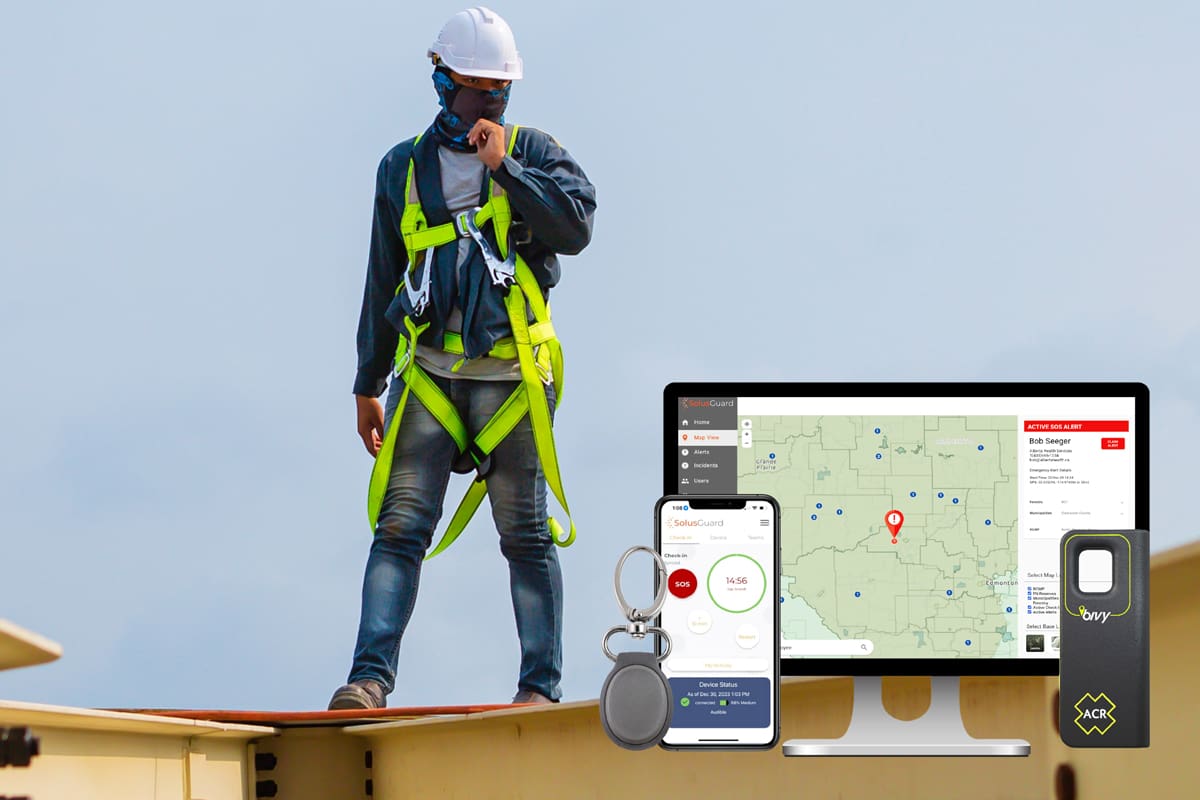
Maximizing Battery Performance in Wearable Panic Buttons with Bluetooth Low Energy Technology
Development of a power-efficient, Bluetooth Low Energy (BLE)-based wearable panic button, designed to extend battery life
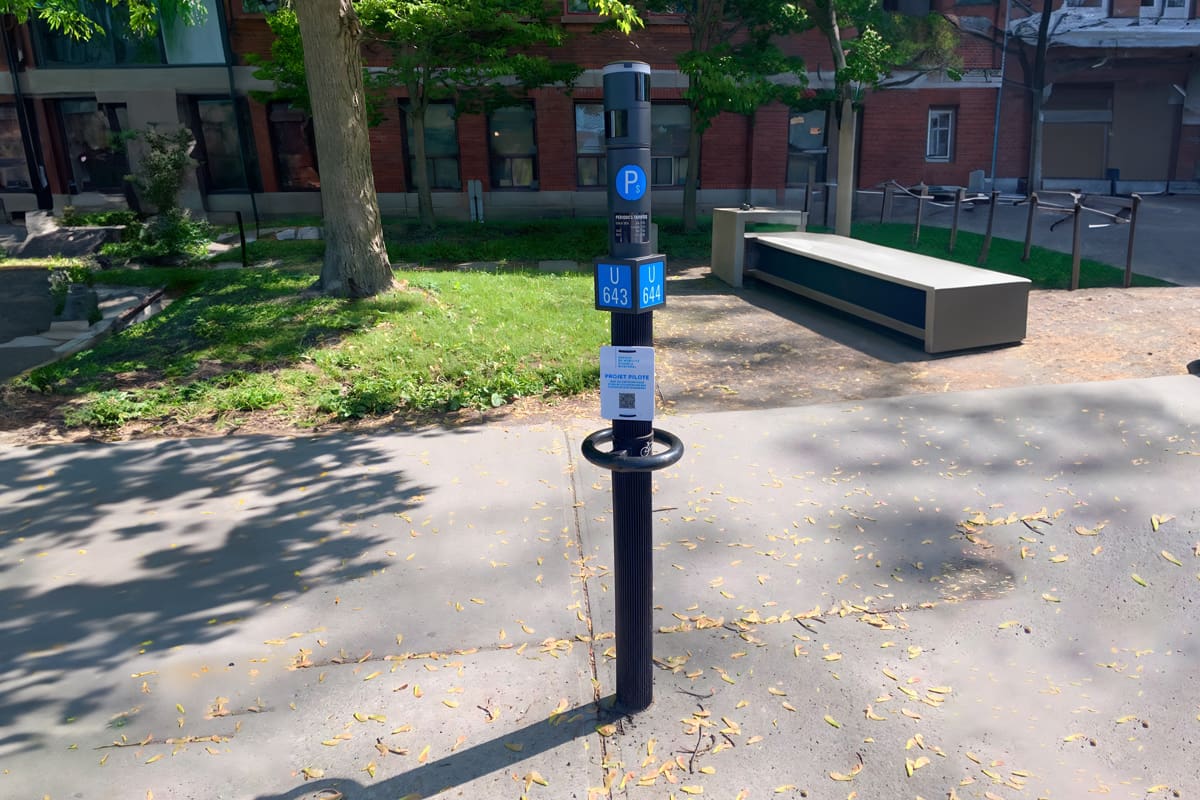
How a Power-Efficient Design Extended a Parking Occupancy Sensor's Battery Life to 5 Years
The creation of a highly efficient sensor with extended battery life, using low-power communication protocols and cloud-based data processing

Smart Energy Management System for Temporary Power Distribution
The creation of a smart energy management solution tailored for temporary power setups, including real-time energy monitoring and remote-control capabilities
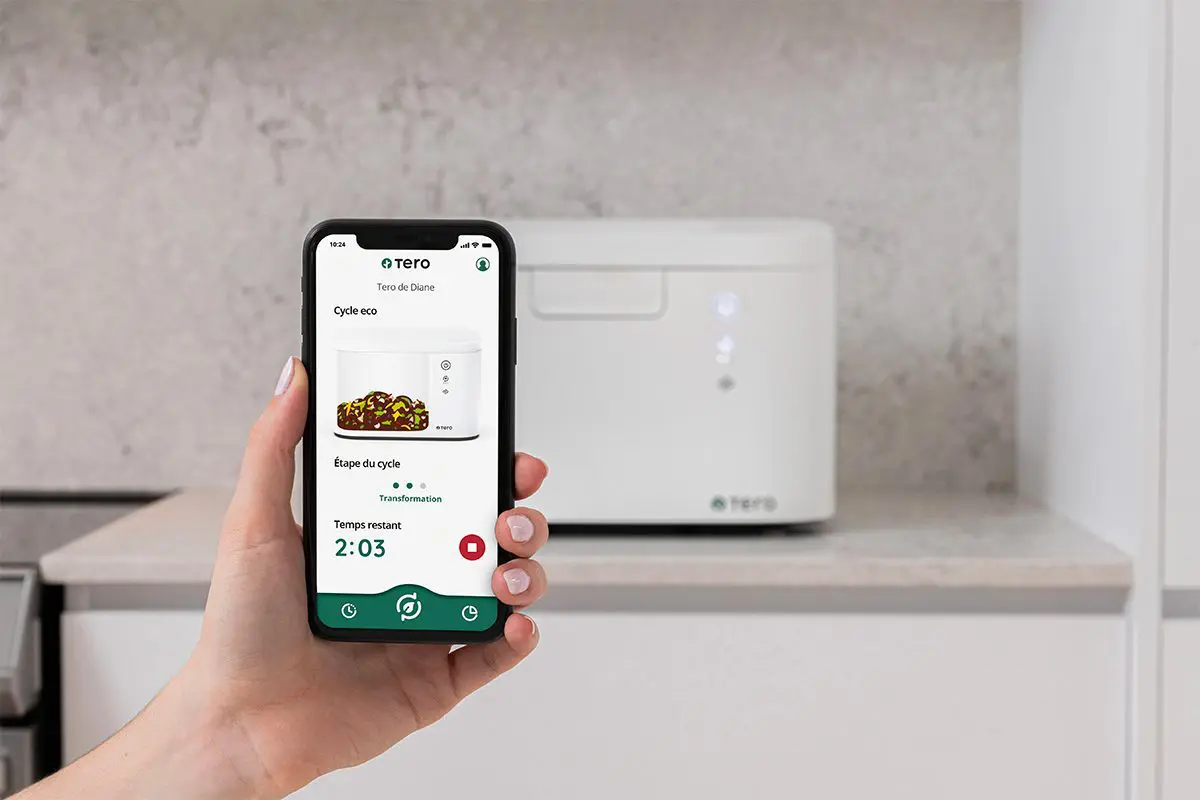
Building a Remote-Controlled IoT Device: ESP32 Wi-Fi, OTA & Mobile App
The case for creating a smart connected IoT product with remote control and monitoring capabilities with a mobile application

NDT Instruments: SoM Electronics, Yocto Embedded Linux & OTA Updates
Several major industrial instrument OEMs required our expertise to design all or portions of their NDT (Non-Destructive Testing) equipment.

EV Charging Station: Custom Embedded Linux OS with Fail-Safe OTA Updates
We helped an EV charge point operator develop a custom Linux OS for a smart charging station, using EVSE protocol.